 LinkedIn
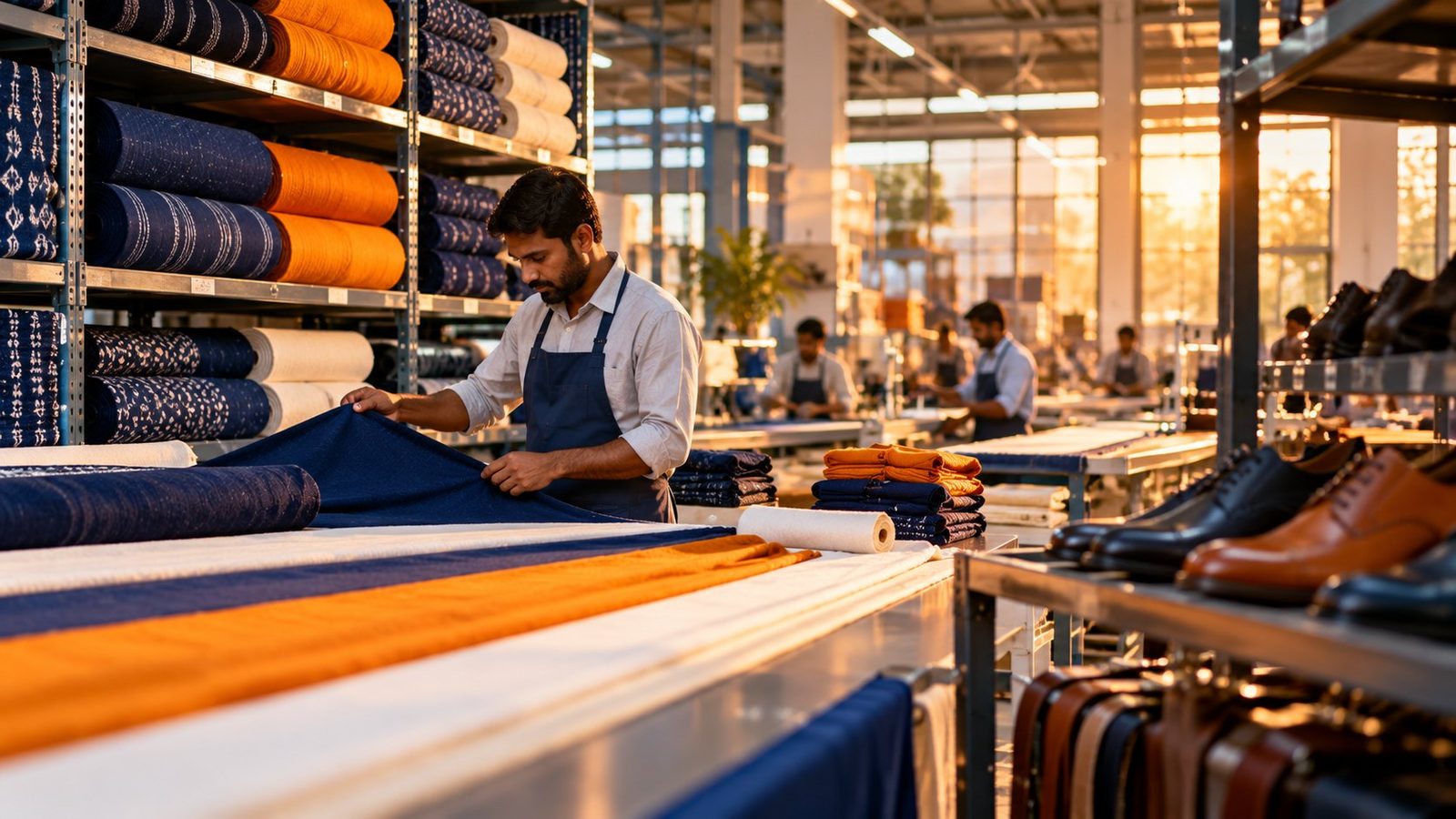
For Indian manufacturers of textiles, clothing, leather goods and footwear, the India–UK Comprehensive Economic and Trade Agreement removes a long-standing price disadvantage in one of their most important export markets.
What has changed
Since 15 July 2026, Indian textiles and clothing enter the UK duty-free, removing tariffs of up to 12%. Duties of 16% on leather and footwear have also been eliminated. Overall, the UK has removed tariffs on 99% of Indian goods.
This matters because UK buyers source clothing from many countries, and some competing suppliers already had duty-free access. Removing the tariff puts Indian exporters on a comparable footing, so competition turns on quality, speed, sustainability and reliability rather than duty.
Where the gains are likely
- Ready-made garments: cotton and blended apparel for high-street and online retailers.
- Home textiles: bed linen, towels and furnishings, where India is already a strong supplier.
- Leather and footwear: shoes, bags and accessories, where the 16% duty had been a significant barrier.
- Technical and specialist textiles: a smaller but growing niche.
What UK buyers are looking for
Lower duty opens the door, but UK retailers increasingly expect more than price. Ethical sourcing, traceability, environmental standards and reliable lead times are now part of most supplier assessments. Indian exporters that can evidence these will convert the tariff advantage into lasting contracts.
What businesses should do now
- Check that products meet the CETA rules of origin, especially where fabric or yarn is imported.
- Prepare origin documentation so UK importers can claim zero duty.
- Review sustainability and compliance credentials against UK buyer requirements.
- Use the price advantage to approach new UK retail and brand customers.
For UK businesses
The change also benefits UK retailers and brands, which can source from India at lower cost. Some may consider deeper partnerships, from design collaborations to joint ventures with Indian manufacturers.
Our view
This is one of the clearest early wins for Indian exporters under the agreement. UKISIF can help Indian manufacturers reach UK buyers and help UK brands find vetted Indian partners.
General information only. Sources: Textile Excellence, GOV.UK. Related: CETA hub